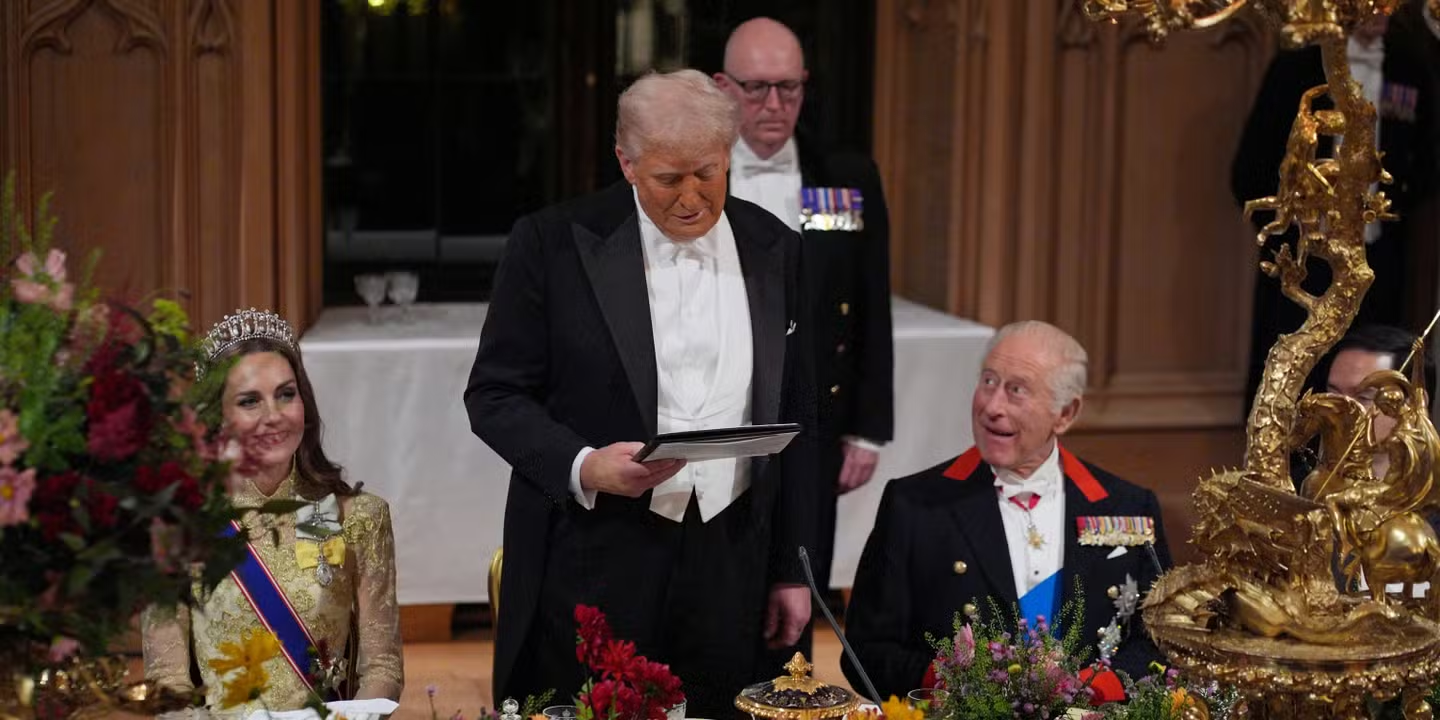
When Donald Trump and Melania arrived at Windsor Castle, all seemed set for a traditional welcome. The royal guard stood in formation, the cameras rolled, and the world watched. But in an instant, Trump’s expression told another story—his face tightened, his demeanor visibly tense. What followed was not simply a ceremonial greeting but a clash of worlds: American informality versus centuries-old British tradition.
A Trap Set in Tradition
According to royal insiders, King Charles orchestrated what might be called an etiquette trap. He didn’t need words, nor confrontation. He relied on the weight of royal protocol itself—rules so ingrained in centuries of monarchy that even the President of the United States would be expected to follow them.
It was a battlefield of posture, gestures, and silence. And Trump walked straight into it.
The Missteps That Went Viral
First came the failure to bow. While foreign leaders are not required to bow to British royalty, it is seen as a gesture of respect when entering Windsor. Trump stood upright, stiff and unmoving. The cameras caught it all.
Then came the touch. Trump placed a hand on Charles’s arm—a gesture that in American politics might appear friendly but in the context of royal etiquette was considered a grave breach. The monarchy thrives on distance, hierarchy, and ceremony. To touch without invitation is to cross an invisible line.
Within hours, the footage had gone viral. Headlines screamed of disrespect. Social media bristled with accusations of arrogance and ill-preparation.
Charles’s Quiet Victory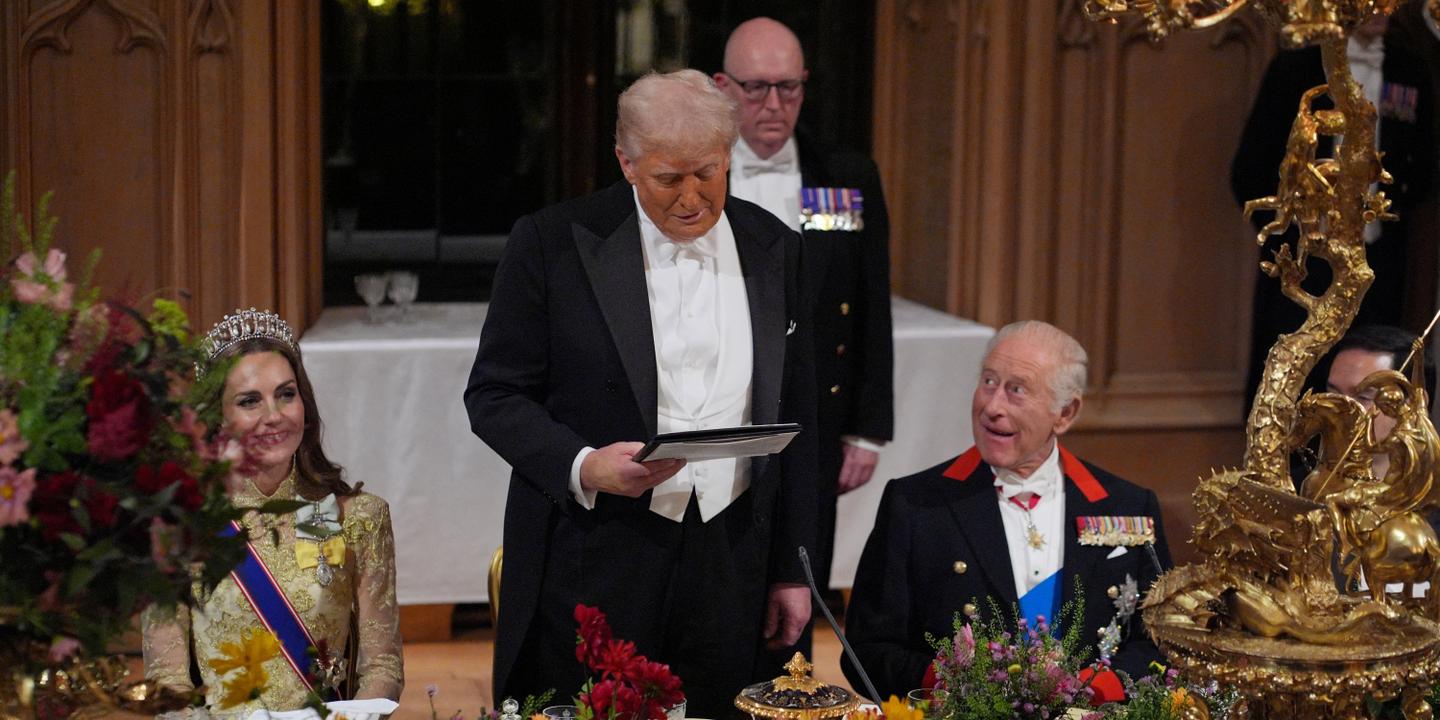
What made the moment all the more striking was Charles’s reaction—or rather, his lack of one. He neither corrected nor rebuked. He remained calm, almost serene, as though the breach of etiquette only confirmed the subtle upper hand he already held.
In that silence lay the power of monarchy: to let the rules do the speaking, to allow a guest to appear foolish without ever lifting a finger. Charles didn’t need to humiliate Trump. Trump had done it himself.
A State Visit Turned Battlefield
What appeared to be a solemn state visit was, in truth, a silent battle of etiquette. Charles wielded centuries of tradition as his weapon, and Trump, accustomed to bending rules to his will, found himself unarmed.
For the world watching, the message was clear: diplomacy is not always about speeches or deals. Sometimes, it is about posture, silence, and the quiet endurance of tradition.
And on that day at Windsor, Charles won.